

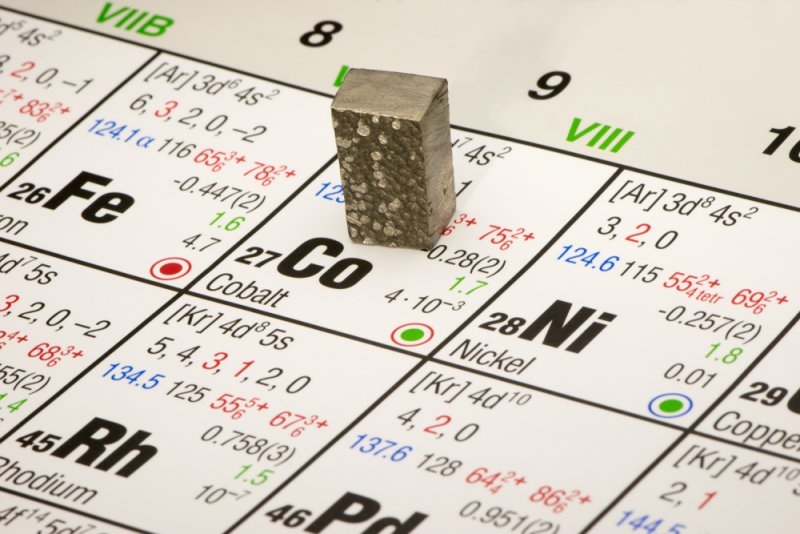
Stop looking at modern technology as if it runs on invisible magic. The heavy machines dominating your daily life are physically built on raw, volatile elements pulled straight out of the dirt. If you strip away the aggressive supply chains feeding massive factories, everything shuts down completely. You must understand the sheer brutality of cobalt use to see exactly why massive global superpowers are actively fighting over this heavy metal. It does not just sit quietly in a lab. It is physically weaponized to force high-end batteries to hold massive charges and prevent heavy industrial drill bits from shattering under extreme friction.
This heavy metal physically forces unstable lithium-ion cells to remain perfectly cold and stable. Without it, the massive battery packs stuffed inside fast electric cars would violently overheat and burst into flames. It aggressively binds the internal chemistry, locking the volatile energy down tightly so you can drive the machine safely.
Heavy manufacturing relies on this element to survive brutal physical friction. When you mix this raw metal into steel, it creates an absolute monster of an alloy. Massive industrial drill bits and heavy saw blades use it to tear straight through solid rock and thick iron without melting or snapping.
Top Pick: Mineral Processing Methods, Equipment, and Industry Insights
You cannot run a heavy industrial economy without extracting this rock. Track these exact physical deployments to see where the raw metal actually goes.
It physically anchors the heavy battery cells, stopping your car from completely igniting while you blast down the highway at high speeds.
Engineers dump this metal into aerospace superalloys to stop massive engine blades from melting into slag when internal temperatures spike violently.
Military contractors aggressively pack this hard metal into tank-busting ammunition to rip straight through thick steel plating on the battlefield.
It squeezes an insane amount of raw chemical energy into a tiny physical footprint, keeping your phone alive without requiring a massive brick.
Surgeons physically hammer heavy hip and knee implants made of this raw alloy straight into human bones because it absolutely refuses to rust.
Factory workers rely on massive circular blades laced with this metal to violently slice through thick concrete blocks without shattering the teeth.
Electronics manufacturers weaponize its raw magnetic power to build massive, heavy-duty magnets that physically run high-end electric motors.
Massive oil rigs and heavy refineries aggressively deploy this element as a chemical catalyst to violently strip toxic sulfur out of crude petroleum.
Hospitals load highly radioactive isotopes of this exact metal into massive targeting machines to aggressively burn and destroy deep tumor cells.
Industrial labs physically blast carbon with pressure and use it as a solvent to force artificial diamonds to grow.
Top Pick: What is a Watermelon Tourmaline Stone's History and Value?
Stop buying the clean-energy marketing. The physical batteries powering the grid require brutal chemistry. Tracking cobalt uses in batteries reveals a massive dependency.
If battery manufacturers pull this metal out of the mix, the internal lithium aggressively degrades, destroying the lifespan of the cell completely.
You instantly lose massive energy density. Cars without this heavy metal lose serious highway range and force you to charge constantly.
Stop thinking this is strictly a heavy industrial problem. The absolute core of your daily life relies on aggressive cobalt uses in technology. Every time you pull a fast, slim laptop out of your bag, you are trusting this specific metal to hold the electrical charge without expanding and violently snapping the keyboard in half. Tech corporations aggressively hoard this element to make their hardware thinner while simultaneously packing in significantly more raw processing power.
You cannot run a heavy factory without locking down this raw material. Cobalt uses in industry physically dictate how fast a massive production line actually moves.
Regular steel violently warps when a machine runs too hot. Injecting this heavy metal stops the physical deformation completely.
Heavy ocean freighters and deep underwater pipes aggressively use these heavy alloys to block saltwater from eating through the iron.
The physical market is violently shifting. Old uses of cobalt like staining glass deep blue are completely irrelevant right now. The modern heavy demand is strictly tied to grid storage and high-speed processing. The sudden, massive explosion of cobalt applications in modern technology directly aligns with the global push to ditch fossil fuels. You cannot physically build a heavy wind turbine or a massive solar farm battery bank without securing shipping containers full of this exact raw material.
Stop ignoring the brutal reality of the physical supply chain. The massive digital revolution and the heavy push for clean energy do not exist in a vacuum; they rely on aggressive cobalt use to survive. If you strip this heavy metal out of the global market, your high-speed electronics die, massive electric vehicles become dangerous fire hazards, and heavy industrial manufacturing instantly snaps in half. You must track exactly where this raw material flows.
The DRC sits on top of the largest, most massive raw deposit of this metal on the entire planet. They violently control over seventy percent of the global mining output, forcing massive tech corporations to rely heavily on their chaotic export lines.
They are aggressively trying. Battery labs are brutally pushing Lithium Iron Phosphate (LFP) chemistry to ditch the heavy metal completely, but those alternative cells instantly sacrifice heavy driving range and raw energy density.
You cannot just melt a dead battery in a furnace. Extracting the pure metal requires an incredibly violent and expensive chemical stripping process, making it significantly cheaper for massive corporations to just dig fresh rock out of the ground.
Absolutely. If you inhale the heavy, raw dust in a manufacturing plant without a massive respirator, it violently attacks the lungs and triggers brutal respiratory diseases, forcing heavy factories to lock down their ventilation.
It is one of only three naturally occurring elements that physically hold a permanent magnetic charge at room temperature. Engineers weaponize this raw trait to build the heavy, brutal magnets needed inside massive industrial generators.
This content was created by AI